
10 Proven Health Benefits of Low Carb Diets
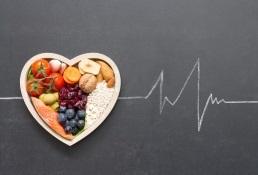
For decades we've been told that fat is bad for us, and the only way to stay healthy is to avoid it completely. Low carb diets have been criticized for creating unhealthy habits. But as more research is done comparing the two, it seems scientists have come to some startling conclusions – low carb diets are actually the best for you than low fat.
Here are the ten most significant health benefits of cutting out carbs.
Blood pressure
A study of 146 overweight subjects conducted by Duke University Medical Center found that systolic blood pressure dropped 5.9mm Hg, and diastolic dropped 4.5mm Hg. Blood pressure usually decreases with weight loss, but the subjects on a low carb diet had lower blood pressure than those on different diets who lost a similar amount of weight.
If you're taking blood pressure medication you should make sure to have your blood pressure checked by your doctor regularly. As the low carb diet reduces your blood pressure your medication will become less necessary, and may actually make your blood pressure too low.
Triglycerides
Triglycerides are the main component of body fat, and are found in the blood where they transfer fat and glucose from the liver. Although some triglycerides are necessary, high levels are associated with clogged arteries, pancreatitis and heart disease.
A number of studies have shown that low carb diets reduce the level of triglycerides in the blood. While dietary fat does increase triglycerides, these are usually dealt with efficiently by the liver. Carbohydrates are converted to triglycerides by the liver so that the excess energy can be stored as fat, and so a low carb diet actually causes the more dangerous fasting triglyceride levels to fall.
Cholesterol
There are two different types of cholesterol: HDL and LDL. LDL is known as the 'bad' cholesterol because it clogs up your arteries and hardens the artery walls, a condition known as atherosclerosis. HDL is the 'good' cholesterol because it removes LDL from your arteries and carries it back to the liver to be broken down.
Low carb diets increase the levels of HDL and decrease levels of LDL in the blood. A study by the National Institute of Health followed low fat and low carb dieters for two years, and found that although the group who cut out carbohydrates had higher levels of LDL initially, in the long terms their LDL levels dropped more than the low-fat group.
Lower risk of heart disease
Since high blood pressure, high triglycerides and high LDL cholesterol are all associated with heart disease, this all adds up to a lower risk of a heart attack on a low carb diet. Remarkable research published in 2005 by the Public Library of Science (http://journals.plos.org/plosone/article?id=10.1371/journal.pone.0139817) which analyzed the results from 17 different trials found a 98% probability that eating more fat and protein would reduce the risk of heart disease.
Greater insulin sensitivity
A diet that is high in carbohydrates leads to elevated insulin levels, which can eventually lead to insulin resistance, where your body doesn't respond properly to insulin. One of the best ways to raise your insulin sensitivity to a healthy level is to eat a low carb diet.
This is because insulin resistance happens when your body gets used to constantly high levels of insulin. Eating fewer carbohydrates means lower blood sugar levels and lower insulin, and eventually your body gets used to this 'new normal' and becomes sensitive to insulin again.
Diabetes
Since Type 2 diabetes is essentially caused by increased insulin resistance, it should come as no surprise that the low carb diet relieves the symptoms of diabetes and in many cases reverses it altogether. Some Type 2 diabetics have managed to get their blood sugar levels into the normal, non-diabetic range on this diet, and many Type 1 diabetics report steadier blood sugar levels which makes the condition easier to manage.
Better absorption of vitamins
Most vitamins are fat-soluble, so you need some fat in your gut in order to absorb them. The low carb diet involves a higher proportion of healthy fats, and so you will be able to absorb more nutrients from the vegetables you eat at the same time.
Many high protein and fatty foods are also very nutrient-dense compared to carbohydrates. Eggs are full of vitamins D and B12, beef contains high levels of zinc, selenium and iron, and kidney beans are a good source of iron, potassium and magnesium, while white flour or pasta have hardly any nutrients in them at all.
Better endurance during exercise
During exercise your body burns the glycogen stored in your muscles and liver as well as fat. When these glycogen stores run out, the body switches to burning only fat. If you're not used to it then you can feel suddenly fatigued, dehydrated and shaky, and it makes it almost impossible to keep going.
A diet that is low in carbs and high in fat prompts your body to burn proportionally more fat. This means your glycogen reserves last longer, and it also means your body responds better to running out because you are so accustomed to burning fat.
Less visceral fat
Visceral fat is fat which is packed between your organs, instead of just being under the skin. This is the most dangerous kind of fat because it's linked to Type 2 diabetes, insulin resistance, and inflammatory diseases like thickened arteries and heart disease.
Randomized studies comparing low fat and low carb diets show that participants lost more visceral fat as a proportion of overall weight loss. While researchers aren't quite sure yet how the low carb diet specifically targets abdominal fat, the evidence is quite clear that it does, and that it's your best bet for a slimmer waist.
Overall weight loss
Apart from the obvious benefits for your appearance and confidence, losing weight is also good for your health. People who lose weight are more motivated to maintain their healthy diet and find exercise easier, which leads to stronger bones and muscles.
People with a lower body mass index (your ration of height to weight) put less pressure on their joints as they get older and have less joint pain, have an overall better hormone balance, sleep better and report better and more consistent moods than people who are overweight or obese. Add to all that you live longer, and you can see why so many people have been converted to low carb diets.
From The Web
Sponsored Content