
Low Carb Diets & How They Work
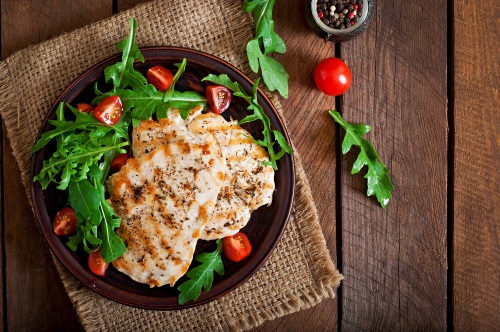
If there's ever a diet that seems too good to be true, it's low carb. You may have seen friends posting pictures on Facebook or Instagram of burgers, fried chicken, thick creamy sauces and huge chunks of cheese. How can anyone lose weight on diets like these?
The key is to look and how your body processes carbohydrates vs how it processes proteins and fats.
The downside of carbohydrates
When you eat any kind of carbohydrate, your body converts it into glucose to use as energy. More complex carbs are healthier because they take longer to digest and have more fiber, but ultimately it doesn't matter whether you eat a piece of bread or a piece of chocolate – it all ends up as glucose.
The glucose passes into your bloodstream, where it's carried around your body as energy for your cells. Since you don't need all the sugar at once, your body produces insulin to promote the absorption of glucose into the cells, where it's converted into fat and stored.
Eating a low carb diet leads to lower blood sugar and lower insulin levels, which means fewer of your calories get automatically stored as fat. Consistently high insulin levels are also associated with the onset of Type 2 diabetes, so definitely something to be avoided.
As soon as your body has transferred the sugar from your bloodstream into the cells, you get a sugar 'low' where you feel tired and hungry. Keeping to the small portions necessary to lose weight is difficult and you're constantly hungry.
Why your body needs protein
In contrast, your body can't usually burn protein for fuel. Protein is broken down into amino acids and used to rebuild and repair the body's muscles and tendons, but any excess that can't be used leaves the body in your urine. It's practically impossible to put on weight eating protein, and low carb diets naturally have more protein in them to replace the missing macronutrients.
Another advantage of protein is that it helps to build muscle mass, especially when used with moderate exercise. Muscles burn calories even when you're not using them, which means your metabolism will go up with more protein intake. And since protein helps you to feel full for longer, people on low carb diets tend not to get the same hunger and cravings as people who eat more carbs, and are less likely to snack and overeat.
A high protein diet is also associated with healthy bones, as it helps the absorption of calcium, and with lower blood pressure and lower triglyceride levels. The healthier you are the more energy you have for exercise and the better you feel.
Fat isn't as bad as you think
For decades doctors have been talking about the dangers of fat and there's a low-fat version of nearly everything, but now it seems that they may have been mistaken. Fat has a lot to contribute to our diet; for starters it helps the body absorb and process vitamins A, D and E. Eating healthy fat raises the levels of 'good' HDL cholesterol, which actually protects you from heart disease.
Like protein, fat is more satisfying than eating carbs and makes you feel full for longer. When you eat low carbohydrates and a lot of fat you don't produce huge amounts of insulin as you do with carbs, so your cells find it easier to release the fat reserves into your blood where they can be burned as fuel.
There is also some evidence to suggest that eating a high fat, low carb diet encourages your body to burn more fat. Research by the Washington University School of Medicine published in Cell Metabolism in 2005 suggested that dietary fat activates the liver's fat-burning abilities and encourages it to burn up the old and unwanted fat being stored around your belly and thighs.
Making exercise easier
Burning carbohydrates is a more efficient way to produce energy than burning fat, so under normal circumstances your body will burn more carbohydrate than fat. During long bouts of exercise, the glycogen reserves in your muscles and liver run out, causing you to slow down and run out of energy. Endurance athletes call this "hitting the wall", and to overcome it they take energy gels or sports drinks to replace the lost sugar.
However, there's a better way to train that doesn't involve trying to run and swig Powerade at the same time. When you eat a diet that's high in fat and low in carbohydrates, your body naturally switches to burning a higher proportion of fat. The glycogen reserves in your muscles last longer and you don't feel as tired, not to mention that you lose more weight.
Fat and protein are also a great combination for exercise and general good health, because omega-3 fatty acids slow down age-related muscle loss and prompt the production of muscle protein in some adults.
Sustaining your diet over the long term
Complicated diets that involve weighing your food are not diets that anyone can stick to for more than a few months. The ideal diet is one that interferes as little as possible with the way you live your life, so that you can keep eating healthily for decades.
Low carbohydrate diets are easy to follow because it's obvious which foods are bad and there's no need to keep reading ingredients or trying to understand nutritional tables. Potatoes, pasta and bread are fairly simple to cut out of your diet, with a huge range of foods left over the you can eat. And when you're tucking into steak and grilled vegetables or a taco bowl it's easy to forget that you're on a diet at all.
How to get started
If you're sold on the benefits to your health and appearance, there's no better time to start than today.
If you don't want to go all out straight away then consider cutting simple carbohydrates from your diet first; that means no sugar, and eating brown bread or rice instead of white. Eat as many healthy fats from nuts, oils, cheese and meat as you can, and remember to include lots of vegetables to make sure you're getting all the nutrients you need.
If you haven't managed to reach your ideal weight in the past then give low carb a try – it may turn out to be exactly what you were looking for.
From The Web
Sponsored Content