
Beginner's Guide To The Keto (Ketogenic) Diet
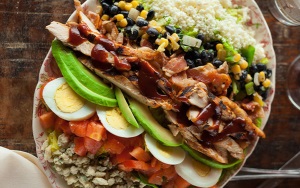
The ketogenic diet, usually known as the 'keto diet', is a diet low in carbohydrates and high in fat. The diet was originally created to control epilepsy in children. The low level of carbohydrate in the diet means the liver is forced to burn fat, converting it into fatty acids and ketone bodies.
The ketone bodies are then used by the brain instead of glucose. The high level of ketones in the blood, called 'ketosis', reduced the number of epileptic seizures in children.
Doctors realized that the keto diet had a number of other health benefits, including weight loss, and started suggesting it to overweight patients.
So, just what do you eat?
The original ketogenic diet was a pretty shocking 80% fat, with the remaining 20% mostly protein and a very small amount of carbohydrate. Since fat is energy-dense, portions were kept small to prevent weight gain.
The keto diet for weight loss has a few modifications that make it similar to the Atkins; more protein and vegetables and less fat. The key thing that remains the same is that to stay in a state of ketosis, you need to eat as few carbohydrates as possible.
Meat, fish and seafood have zero carbs, so in essence you can eat as much as you want of any of these things, as long as there's no extra carbs like bread stuffing or battered fish. Fats like butter and olive oil are also zero carb – there are no limitations on how much you can eat.
Most cheeses are around 1-2% carbohydrates, which is low enough that you don't need to worry unless you're eating the whole cheeseboard at every meal. If you're being really strict, goats cheese is one of the best with only 0.1g of carbohydrates per 100g. Most milk, no matter the fat content, is around 5% carbohydrates, fine in moderation.
Starchy vegetables like potatoes, sweetcorn or pumpkins are not allowed on the keto diet, but the majority of vegetables are fine; bell peppers, broccoli, asparagus, zucchini, tomatoes, mushrooms, avocados, spinach, cucumber, lettuce… you can eat a really wide range of foods on this diet.
As far as drinks go, beer is the highest in carbohydrates and to be avoided at all costs. Many keto dieters choose to drink wine, since with only 2-3% carbs a glass every evening won't have much impact on your diet. Spirits are mostly carb free, but if you use a sugary mixer like coke or lemonade then you undo all that hard work. A martini or a margarita is a better choice for the keto diet.
How does the weight loss work?
There have been numerous different studies into the effects of the ketogenic diet on weight loss, and the general consensus is that it is a very effective means of losing weight.
This is partly because protein and fat are more satisfying than carbohydrates; they curb hunger better and keep you feeling full for longer. When you eat a low carb diet you actually eat fewer calories without even noticing and without feeling hungry – much better than those calorie-counting diets where you're allowed a bowl of soup and a single rice cracker.
That's not the only way the keto diet makes you lose weight, though. Carbs are the first source of fuel in the body, and when you're not eating those your body will use fat instead. Lipogenesis (the process of storing fat) stops and lipolysis (burning fat) takes over. More fat in the diet encourages the body to burn it instead of storing it because there's less need to store energy when resources are abundant. It could also be that the gluconeogenesis (using protein for fuel) is less efficient than other processes and burns more energy even at the same rate of activity.
In one 2004 study the group of obese patients went from an average weight of 101kg (222lbs) to 86kg (189lbs) in just 24 weeks. More recent research from 2013 examined a number of different clinical trials and found that across 1415 patients, weight loss was an average of 20.91kg or 46 pounds – that's about three dress sizes smaller!
What are the health benefits?
That same meta analysis of various ketogenic diet clinical trials also found a number of positive secondary outcomes; higher 'good' cholesterol, lower triglycerides, lower blood pressure, and increased insulin sensitivity. All these factors combined with weight loss put people on the keto diet at lower risk of developing Type 2 diabetes or heart disease.
Other benefits of the diet are perhaps still not completely understood, but it's certain that it helped many children reduce the number and severity of epileptic seizures. In many cases the children not only had fewer seizures but appeared more alert and had improved concentration and social function. While some of this may have been the result of a lower dose of anti-seizure medication, adults on the keto diet also report feeling clear-minded and energetic.
There are also recent studies which suggest the keto diet can help the body fight cancer. It's believed that cancer cells cannot metabolize fat as the body can and rely on glucose – a low carb diet feeds the body's normal cells while denying glucose to cancerous cells, slowing their growth and possibly making treatments like chemotherapy more effective.
More research needs to be done in all these areas, but there's no doubt that the ketogenic diet comes with many health benefits.
Getting started
As always, we recommend consulting a doctor before you start a diet that has the potential to produce such huge changes, and getting your cholesterol and blood pressure checked regularly as you lose weight. If you're hoping to reduce the symptoms of diabetes or epilepsy then keep taking your medication until your doctor says you can stop.
More research into the keto diet is happening all the time, and will no doubt shed new light on those areas, like cognitive function, where scientists still aren't sure of the mechanism. What we can be sure of is that this diet produces fantastic results for weight loss, cholesterol and blood pressure, and has the potential to do so much more. So don't feel guilty next time you tuck into that steak - your body and brain will thank you.
From The Web
Sponsored Content