
6 Myths About Low Carb Diets
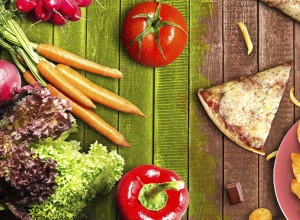
Thinking about going low carb? There's a lot of information floating around about this diet, but not all of it is reliable. And since it feels like every month brings a new fad diet, it's understandable that people can sometimes be skeptical. But the low carb diet has been around for quite a while now, and a great deal of research has been done on the costs and benefits.
Here we debunk the most common myths, so that you can make an informed decision about what to eat to lose weight, get healthy and feel great.
They're hard to stick to
People often think that low carb diets are extremely restrictive and difficult to follow, but this isn't at all the case. The rules of low carb are so simple that they're a lot easier to follow than many other diets, and much easier to maintain over the long term.
High protein and high fat foods stick around in your digestive system for longer and so you feel full for longer and don't experience the hunger and cravings of calorie restricted diets. And so long as you stick to low carbohydrate foods you can eat until you're satisfied.
A variety of different studies which have compared long-term adherence to different diets have found that subjects on low carbohydrate diets maintain their weight or continue to lose weight after those on low fat or calorie restricted diets had put some of the weight back on.
You go into ketosis, which is dangerous
If you eat a very low carb diet your body goes into a state called ketosis, where ketone bodies are the main source of fuel instead of glucose. Ketosis is not dangerous – in fact, it's the inevitable result of burning fat instead of blood sugar. Ketone bodies are produced by the liver breaking down fatty acids, so it's pretty hard to metabolise fat and lose weight without ketosis.
Many people are probably confusing ketosis with ketoacidosis, a dangerous condition caused by a very elevated level of ketones in the blood. This is usually caused by undiagnosed diabetes or long-term alcoholism and has nothing to do with the low carb diet.
It is true that some parts of the brain, can only use glucose for energy, but low carb doesn't mean no carbs. There are small amounts of carbohydrates in fresh vegetables, nuts and yogurt, which will give you more than enough of the glucose you need.
You don't get enough nutrients
The kinds of foods commonly eaten on the low carb diet are often higher in nutrients than carbohydrate-rich foods. Refined flour, white bread, white rice and pasta are all starchy foods without many vitamins or minerals to make them worth eating.
By comparison, eggs contain high levels of vitamins A, D and E, B12, riboflavin, selenium, and all nine essential amino acids. Beef contains high levels of zinc, selenium and iron and pork is a good source of vitamin B6 and phosphorus. For vegetarians, kidney beans and garbanzo beans are a great way to get more iron, potassium and magnesium.
People on the low carb diet are encouraged to eat lots of fresh vegetables, which are better for you than fruit. Vegetables contain more iron and folate than fruit without the high sugar content. Think you need fruit for vitamin C? Red and yellow bell peppers contain even more vitamin C than oranges and are every bit as delicious too.
You will have less energy
Although exercise may feel slightly harder in the early stages of the low carb diet, with time you actually start to feel better and have more energy and endurance. This is because it takes time for your body to get used to burning fat instead of glucose, but once it does you can use your fat reserves during exercise without feeling tired and sore.
Long distance runners and cyclists will find they can push forward for longer without 'hitting the wall'. Not to mention that losing weight makes all forms of exercise easier as you're not carrying as much weight around. Eating more protein to replace the carbs also makes it easier to gain muscle mass, so you're stronger and better able to tackle those bigger weights at the gym.
Be prepared for your tennis game to suddenly get a lot better – your friends will wonder if you've been training in secret!
You eat too much fat
Fat isn't the great evil that nutritionists have led us to believe over the last few decades. New research suggests that the best types of fat are really good for you, reducing blood pressure and triglycerides and raising the levels of healthy HDL cholesterol in your blood. Omega-3 fatty acids may also protect you from joint conditions like rheumatoid arthritis.
It also seems that fat is worst when in combination with carbohydrates, because that's when you start craving more of the food – think of the way cookies or chips combine oils with sugar or starch.
The worst fats are called trans fats, and these occur almost entirely in processed food. The best way to make sure you're getting healthy fats is to cut out processed foods and eat whole foods like nuts, avocados, fish, meat and olive oil.
You only lose water
At the start of a low carb diet you lose a lot of weight very quickly, and it's true that some of that is water. Each gram of glycogen is attached to four grams of water, and as your glycogen stores are depleted you lose the water with them.
This isn't a bad thing, as there's really no reason you need to carry that much water around in your body. Make sure to drink enough water through the day so you don't get dehydrated and you will be fine.
After the glycogen stores are gone and your body switches to fat burning, every bit of weight you lose is fat, often from the hard-to-shift visceral fat in your abdomen. You can still lose between 3 and 8 pounds per month, more than enough to make a big difference to your health and appearance.
From The Web
Sponsored Content